Editor's Note
In the age of AI, the most important skill is no longer what students learn, but how they learn. It's about meta-skills: creativity, resilience, and complex problem-solving
These days, I find myself returning to one idea again and again when speaking to parents, teachers, and counselors: in the age of AI, the most important skill is no longer what students learn, but how they learn. For decades, our education system has rewarded memorisation and predictable answers. But as many leading education researchers point out, that model is breaking down. AI can already retrieve information faster and more accurately than any student. So if learning is reduced to content ingestion and regurgitation, we are preparing students for a world that no longer exists.
What matters today are meta-skills: creativity, resilience, and complex problem-solving. "Learning how to learn" is not just a slogan, it is a shift in mindset. It means becoming comfortable with ambiguity, experimenting without guaranteed outcomes, and connecting ideas across disciplines. A student who thinks like a physicist - questioning, testing, failing, and retrying – will always outperform one who simply 'knows the answers'.
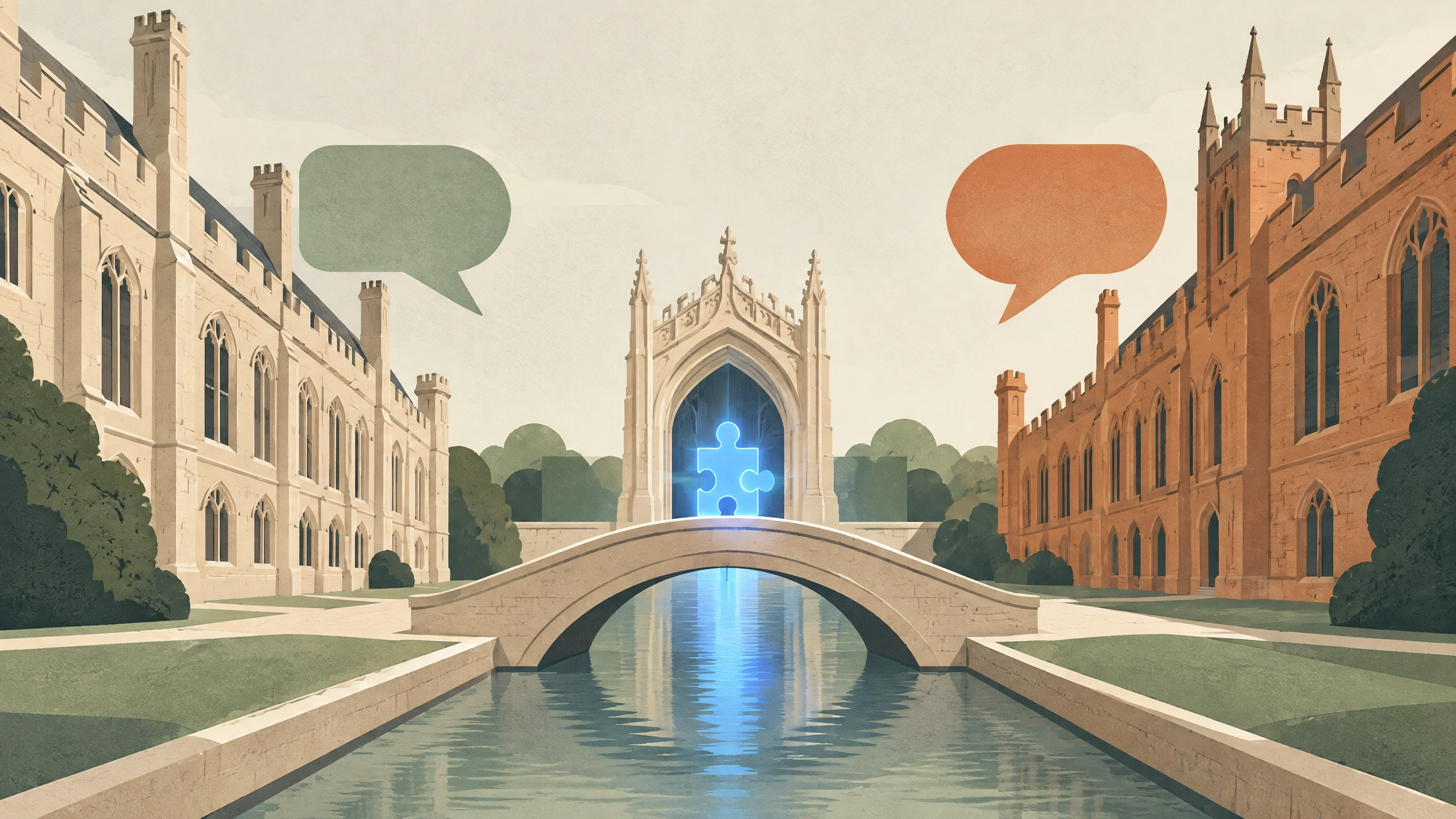
AI, interestingly, is not the threat - it is the catalyst. When used well, it becomes a thinking partner. It challenges assumptions, pushes students to defend their ideas, and acts like a personalised Socratic tutor. This is where true learning happens: not in passive consumption, but in active dialogue. For schools, this demands a redesign. Classrooms must move from lecture-based delivery to discussion-driven exploration. At home, students can learn concepts with AI; in class, they must debate, apply, and synthesise. For parents and counselors, the message is clear: stop asking, "What did you learn today?" Start asking, "How did you think today?" Because in an AI-powered world, efficiency is just the baseline. The real advantage lies in expanding human capability, and that begins with learning how to learn.