Inside the World of Film Studies at Wesleyan University
5 Reasons to Choose Wesleyan for a Career in Film and Television
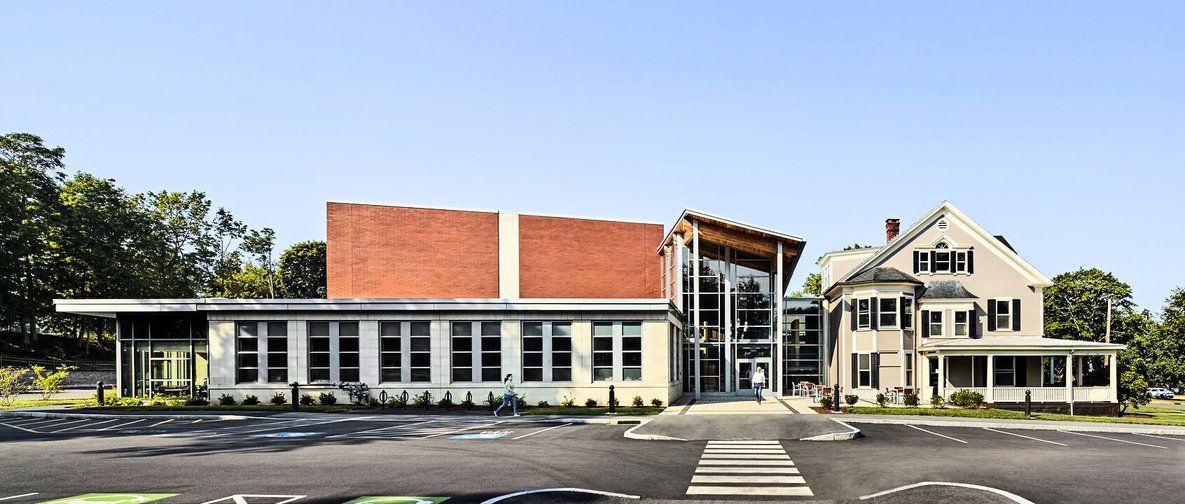
Some of the most iconic moments in film and television were brought to life by alumni of Wesleyan University, a liberal arts and sciences college in Connecticut. Wesleyan's Department of Film Studies cultivates leaders for the global film industry, while students simultaneously explore broadly through the University's open curriculum. Wesleyan alumni have left an indelible mark on the entertainment world—the Transformers movies and TV shows How I Met Your Mother, Law and Order, Modern Family, and Game of Thrones are just a few of the many works directed by Wesleyan alumni.
1. The Film Studies Major and Student Work
The Department of Film Studies is housed within Wesleyan's College of Film and the Moving Image. Students explore visual storytelling, analyze film history, and gain hands-on production experience. By graduation, film majors know how to make movies, are experienced in writing for film and television, understand film history, and can articulate their original visions.
Many film majors choose to complete a senior thesis or capstone project. A thesis may take the form of a screenplay, original 16mm film, digital video, film criticism, or written film history thesis. Each spring, the cinema is packed as students and faculty gather to watch seniors' original thesis and capstone films.
Zara Zhou, a recently graduated international student, reflected on writing her senior thesis screenplay: "My advisor was very supportive through the entire process, and so was the community around me at Wesleyan. People were encouraging while giving feedback, even when offering constructive criticism. They would discuss their thoughts and ideas about the various characters and their actions and motives, offering suggestions. I love this type of creative environment! I'd strongly recommend writing a senior thesis."
2. Distinguished Faculty and Mentorship
Students learn and work with more than a dozen experienced faculty members, including The New York Times film critic Anthony O. Scott, Ethiopian filmmaker Yared Zeleke, and documentary filmmakers Tracy Heather Strain and Randall MacLawry. Students regularly collaborate with faculty on projects and research. Wesleyan's Gordon Career Center assists students in securing summer internships, and Strain and MacLawry's production company, The Film Posse, provides internships during the academic year as well.
3. Global Connections and Opportunities
Wesleyan's reach extends globally, with strong academic ties to Asia and other regions. Assistant Professor Anuja Jain specializes in South Asian media, teaching courses on city films in Asia and global film melodrama. Jain organized a “Bollywood and Beyond" exhibit to accompany a South Asian Film Series that included showings of Monsoon Wedding (2001), Taare Zameen Par (2007), Writing with Fire (2021), and Mississippi Masala (1991). Such internationally focused events take place frequently, and students have many opportunities to incorporate cross-cultural connections into their projects and research. Zhou, for example, analyzed the historical distribution of Chinese movie theaters in Los Angeles alongside Professor Lisa Dombrowski, who teaches courses in East Asian cinema.
4. Additional Campus Film Resources
Wesleyan's Jeanine Basinger Center for Film Studies and the Reid Cinema Archives complement departmental offerings. The former includes a gallery, two state-of-the-art cinemas, and the student-run Wesleyan Film Series, which provides four nights of eclectic programming every week during the academic year. Students have access to historical documents from the Reid Cinema Archives for their research, and may draw on primary source documents from the careers of Frank Kapra, Elia Kazan, Ingrid Bergman, and more.
Meanwhile, Cardinal Pictures, a student-run organization that supports filmmaking at Wesleyan, provides interested students with film production training, advice, funding, and equipment to realize their creative ambitions.
5. Active Alumni Network
Wesleyan's robust alumni network in film is an invaluable resource for both current students and alumni. Successful graduates return to speak on campus, and provide internships and mentorship to current students. Independent producer Susan Glatzer notes: “Wesleyan distinguishes itself as one of the finest departments in the country for cultivating students who, first and foremost, have been taught to think about film in the liberal arts tradition.... This accounts for the broad array of success our film graduates have attained, whether they became writers, directors, producers, executives, agents, or academics. The powerful code of ethics that exists among our alumni to help one another and nurture the next generation stems from the dialogue that began during the formative years in the classroom.”
Film students at Wesleyan reap the benefits of top notch theoretical and practical training alongside the flexibility and customizability of the University's open curriculum. Students explore broadly across the University's offerings, initiate their own projects and research, and forge lifelong connections with an influential global network. The lessons they learn will stay with them wherever they go—Hollywood, Bollywood, or beyond.