Is Your Child Struggling With Mental Health At College Abroad?
6 Signs To Watch Out For

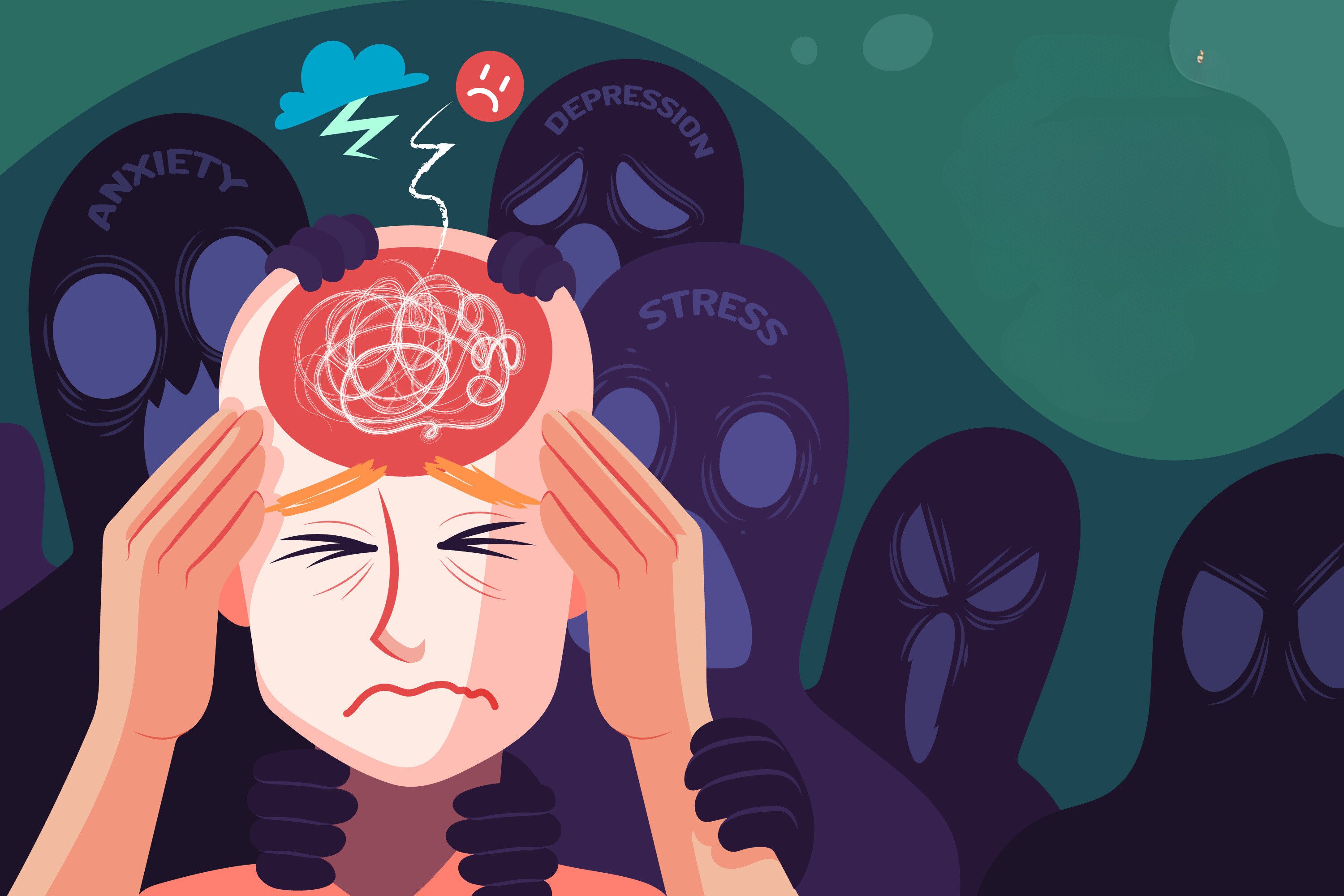
Adolescence is a challenging period in a young person's life. Parents may not always recognize the emotional and psychological issues their child may be facing. Performance anxiety is prevalent in various aspects of their lives as they strive to have a great body, appearance, be a good friend, fit in the peer group, get good grades, be a good kid, and become social media stars. With so much pressure and limited experience and maturity, anxiety and depression may seem like the next best option to relieve themselves from the rigorous pressure of life.
The WHO states that 10% of students worldwide suffer from mental health issues. Yet, a whopping 41% of students who leave their home country to study abroad face mental health problems.
Most of these challenges usually go unreported and undiagnosed. International students face barriers such as monetary, informational, language, or cultural differences when seeking psychological services. As a minority on campus, the specific needs of international students are often neglected by their host countries. Classically, academic pressure is one of the top reasons students feel overwhelmed. As foreign students, they are out of the comfort of their homes, families, and social circles. It is crucial for parents to become more aware, and provide extra support for their children to help them navigate this transition.
Here are some serious mental health red flags for vigilant parents and counselors:
Flag 1 - Change in Eating & Sleeping Patterns
A very important aspect of living an overall healthy life is nutrition. Of course, it is difficult to know your child's exact eating habits while abroad, but make an extra effort to know their eating pattern. For the mind to function optimally and to stabilize moods, healthy eating, and sleeping habits are pivotal. For example, a lack of Vitamins B complex, and D and minerals like Magnesium, Folate are linked to depression anxiety lack of motivation, and mood disorders. Sleeping too much or too little. Awake the whole night and sleeping through the day with little or no engagement with the real world are all pointing toward a troubled mind. If you see your kid too preoccupied with diet and or weight gain then it's a matter of concern. You may want to notice behaviors like too much exercising, dieting constantly, skipping meals altogether, and worrying about weight gain.
Flag 2 - Persistent Gloominess
Something that lasts more than 2 weeks is an area of concern. If you notice a loss of interest, low energy, excessive complaints about something mundane, or a reduced (or excessive) frequency in how they interact with you, spend time listening to what your child is trying to communicate with you.
Flag 3 - Avoiding Social Settings
This is an important tell-tale sign that the child is not doing well emotionally. You see that your child is not engaging with the other university students. He/she has failed to establish any of their social support systems. He or she feels overwhelmed by any social experience and avoids leaving their dorm rooms. They may excessively call you up so as to feel secure. Alternatively, you may not hear from them at all. So, anything that is unusual must be taken note of.
Flag 4 - Engaging in Risky Social Behaviours
Adolescent age is marked with usual risk-taking and impulsive behaviors. However, too much indulgence in such behavior is an indication of a high need for sensation seeking which the parent must make a careful note of. Very erratic behavior in your child's expression with excessive irritation when checked on their routines is an indication of emotional disturbance. Also, note their reluctance to give you the details of their sudden newfound friends. While it is very normal for kids not to share much information about their social plans you having absolutely no clue about their social plans is something you want to check in and get more information on. Make sure you must have the contact details of all their friends especially whom they hang out more often. Other signs to watch for may include Excessive drugs/alcohol/sex/smoking, the tendency to self-harm, excessive aggression and anger issues over petty issues and entertaining ideas about suicide. Another cause for alarm is if they suddenly start talking about hallucinations, or an out-of-body experiences.
Flag 5 - Changing Bodies & Medical Conditions
Mental Illness has definitive physical symptoms. It would be excessive weight gain, or excessive and sudden weight loss. Breathlessness, sudden development of phobias, headaches, prolonged migraines, muscle tension and soreness with no apparent reason, irregularity in periods, digestive issues such as diarrhea, stomach pain, and appetite changes with no historical basis, and the emergence of auto-immune disease are all linked with poor mental health.
Flag 6 - History of Mental Health Challenges
If your child has been bullied in school and it has been a traumatic experience for him/her then chances are that he/she may carry this experience to the university. Also if they have engaged in self-harm in their teens their susceptibility increases. If they had trouble in their school social settings chances are they may become anxious about creating a social life while studying abroad. You must carefully assess when is the right time for them to leave home and study abroad alone. Don't shy away from a gap semester or gap year conversation.
It's not an easy job to parent a teenager or a young adult studying far away from home. However, it is important to show that you love them, and you are always there for them. Here are a few things to keep in mind when having that 'how-are-you-doing?' conversation. Approach the conversation with an intent to listen actively. Use phrases such as "It must be difficult for you, and I understand" to show empathy. Avoid blaming yourself or feeling guilty if things aren't going the right way with your teen. Listen to your teen's perspective without bringing your own autobiography into the conversation. Encourage your teen to express their frustrations and support them.
PS: Here is the video from a workshop I recently conducted: https://tinyurl.com/2k2ypnd5