What Parents Mean When They Say "You Have Changed"
Why Growing Up Can Feel Like Growing Apart, and Why It Isn't

My son used to come home and tell me everything. Not just the big things. Everything. Who said what in class. What made him laugh. Why he didn't like the new teacher and exactly what she had said on Tuesday. He'd walk in, energy first, and just talk, steal food off my plate, hug me for no reason, fill the whole house with his voice. My daughter did the same. They'd actually fight over who got to speak first. I'd sit there, pretending to referee, quietly delighted. I took every single second of it for granted.
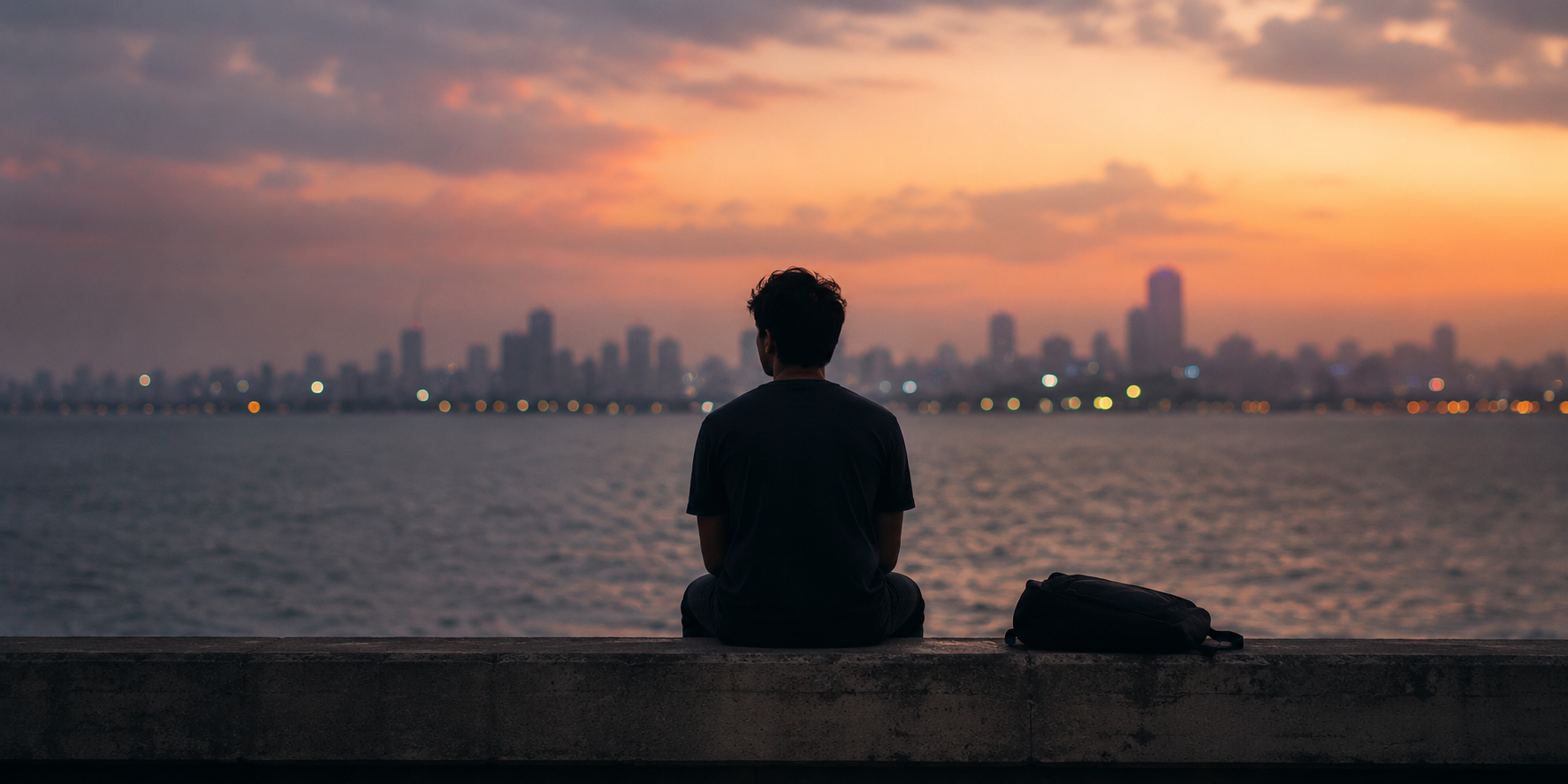
Then, slowly, it changed. The door stayed closed a little longer. Conversations got shorter. The running commentary went quiet. He stopped narrating his day, his feelings, his confusions. And I sat with this strange ache I didn't quite have a name for.
If I'm honest, my mind went to dark places. Did I do something wrong? Is he angry with me? Why doesn't he need me the way he used to? These are the questions parents rarely say out loud, because they feel too raw, too much like admitting that growing up has a cost nobody warned you about.
We spend their whole childhood teaching them to think for themselves. And then they do. And somehow, we're not ready.
What I've come to understand: my son hadn't become less loving. He was becoming more independent. His world was expanding. Friends, privacy, solitude, these weren't replacements for me. They were just his life, growing bigger. And my role needed to grow with it, not fight it.
What looks like distance is often just development. What we call "attitude" is sometimes just a young person, clumsily and urgently, trying to figure out who they are. The door being closed isn't always about keeping you out. Sometimes it's about having a space that's entirely their own, maybe for the first time.
That's not rejection. That's healthy.
But what we forget to talk about: they're watching us change too. Our children see us age. They notice that we're not the unshakeable figures they once believed us to be. And somewhere inside them, they're carrying their own version of this same feeling, the realisation that childhood is a season, and it passed for them as surely as it did for us.
Because none of us stop being someone's child. I'm a parent, yes. But I still reach for my mother's voice when I'm uncertain. Still feel like a child when I sit in her kitchen. My son, who guards his privacy now and doesn't tell me everything, will carry me with him in ways he can't even articulate yet. We carry our parents inside us. Always. The relationship changes shape, but it doesn't end.
To your mother, you are still the child who reached for her hand. To you, your child is still the baby you held. Time doesn't erase this. It just rearranges it.
So maybe the shift we need to make as parents is this: stop measuring love by closeness. Love can also look like trust, trusting that the bond is still there even when it's quiet. Trusting that fewer words don't mean fewer feelings. Trusting that the space between you isn't emptiness. It's room they needed to grow into themselves.
I still miss that little boy sometimes. The one who fought his sister to speak first, who stole my food, who gave hugs without occasion. That version of him was everything. But so is this version, the one becoming his own person, one quiet day at a time.
Maybe that's the thing about raising children that no one tells you at the start: the goal was never to keep them. It was always to send them, loved, whole, and ready. And the measure of how well you did it isn't how much they still need you. It's that they know, even from a distance, that you're there.
They're just loving you differently now. And so are you.
For every parent sitting with a closed door, and every adult child who hasn't yet found the words.