The 13 Silent Barriers Holding Today's High Schoolers Back
Practical Ways to Build Better Habits and Deliver Stronger Results
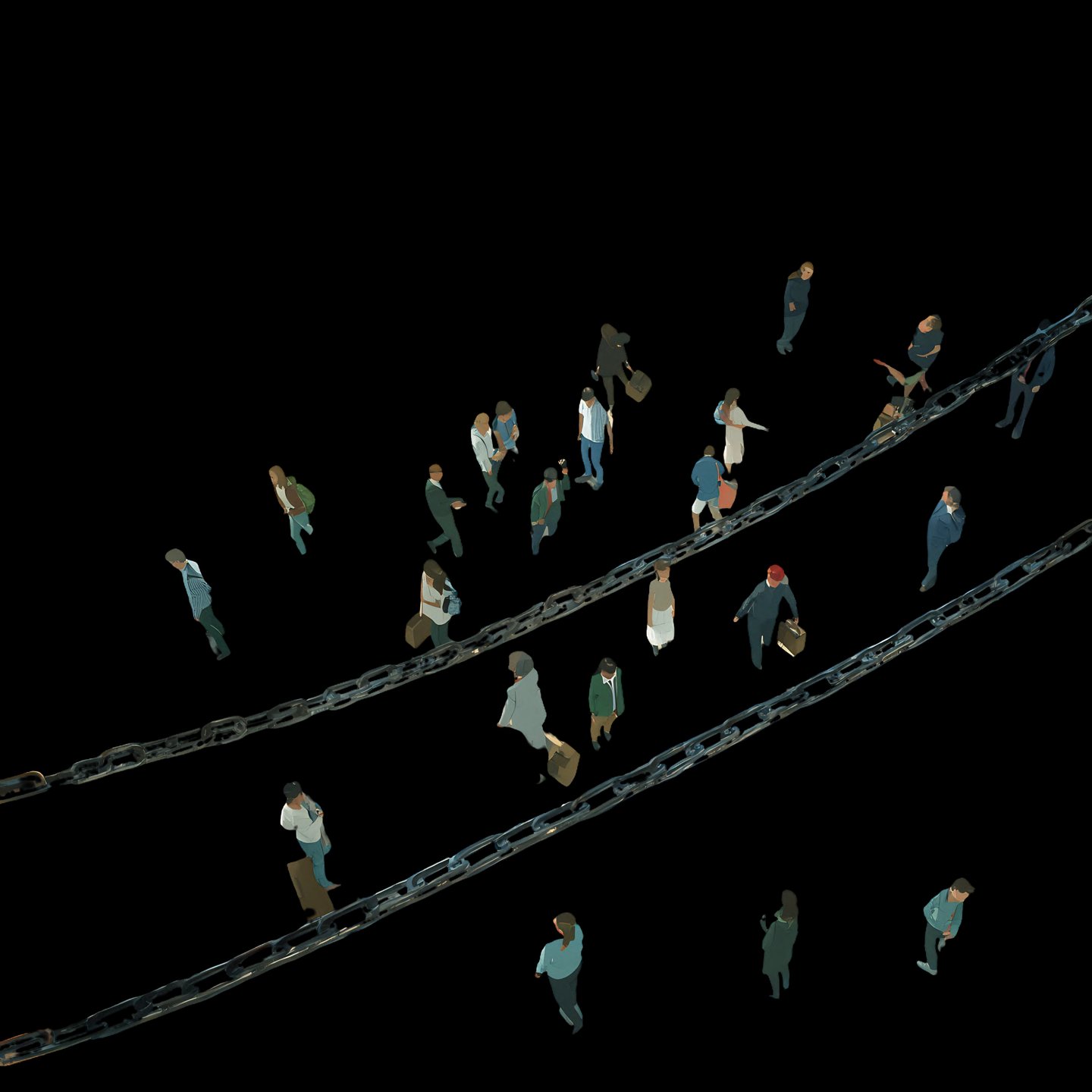
In the post-COVID, AI-shaped world, students are not struggling because they lack opportunity. They are struggling because they lack systems to navigate it.
Across classrooms, counselling sessions, and application journeys, the same patterns repeat. High-potential students underperform, not due to lack of intelligence, but due to behavioural gaps that quietly compound over time. These are not dramatic failures. They are small, consistent breakdowns in how students think, act, and respond.
1. Time Is Not the Problem, Execution Is
Most students today feel overwhelmed. Too many tasks, too many expectations, too little structure. They plan, but they don't follow through. They delay, compress, and rush. The fix is not better planning; it is tighter execution. Students need fewer priorities, not more. Three clear tasks per day, completed fully, will outperform ten half-done ones. Structure creates momentum. Without it, even capable students stall.
2. Thinking Too Much, Doing Too Little
Overthinking has quietly replaced decision-making. Students hesitate, re-evaluate, compare, and freeze. The shift here is simple but uncomfortable. Decisions must be time-bound. Small choices should not take more than minutes, bigger ones not more than a day. Progress comes from action. Clarity follows movement, not the other way around.
3. Accuracy Is Slipping Under Pressure
Many students know the content, yet lose marks to avoidable errors. Missed questions, careless slips, incomplete reading. This is not a knowledge gap. It is a process gap. Training under timed conditions and building a habit of deliberate review changes outcomes dramatically. Accuracy is not natural; it is trained.
4. Freedom Without Ownership
Students today want independence earlier than ever. But independence without responsibility creates instability. The transition to ownership has to be intentional. When students are made responsible for their schedules, their deadlines, and their consequences, behaviour shifts. Responsibility is not taught through lectures. It is built through lived accountability.
5. The Communication Gap No One Talks About
Despite constant digital interaction, real communication is weakening. Students hesitate to speak, struggle to articulate, and avoid visibility. The only way this improves is through exposure. Regular speaking opportunities, even in small settings, build confidence faster than any theory. Expression is a muscle. It strengthens only with use.
6. Confidence Is Fragile, And It Shows
Students are navigating identity, comparison, and constant evaluation. Low self-confidence leads to poor choices, often driven by approval rather than judgment. The solution is not motivational language. It is evidence. When students see proof of their own progress, even in small wins, their self-image stabilises. Confidence is built, not gifted.
7. The Screen Problem Is Bigger Than It Looks
Digital addiction is not just a distraction. It is rewiring attention, discipline, and behaviour. Elimination rarely works. Structure does. Fixed usage windows, distraction-free work blocks, and consistent boundaries create control. Without this, focus will always remain unstable.
8. Friends Are Driving Decisions
Peer influence is at its peak during these years. Students are more likely to follow social cues than personal judgment. What matters here is environment. Surroundings shape behaviour faster than advice ever can. When students are placed around driven, focused peers, their baseline shifts naturally.
9. Motivation Is Not Sustainable
A growing number of students want results without sustained effort. The culture around them reinforces speed, not consistency. This is where discipline replaces motivation. Systems, routines, and repetition create progress even when motivation disappears. And it always does.
10. Lifestyle Is Quietly Undermining Everything
Poor sleep and inconsistent routines are reducing cognitive performance more than students realise. The impact is immediate. Better sleep improves focus, memory, and emotional control. This is one of the highest-return changes students can make, yet one of the most ignored.
11. The Shortcut Mentality Is Growing
Students are increasingly drawn to quick success. Fast money, instant results, visible outcomes. What shifts this is exposure to the process. When students experience real work, long timelines, and delayed outcomes, their expectations recalibrate. They begin to understand what growth actually takes.
12. Mental Health Is the Silent Undercurrent
Emotional strain is rising, but often goes unspoken. When students are overwhelmed internally, performance drops externally. The balance here is critical. Support must exist, but so must structure. Awareness without action does not help. Stability comes from both understanding and routine.
13. Attention Is Fragmented
Perhaps the most important shift is this: students can no longer focus deeply for long periods. Their attention breaks quickly, often without them realising it. This is trainable. Short, uninterrupted focus blocks, gradually extended, rebuild this ability. Deep work is no longer natural. It has to be rebuilt deliberately.
What This Really Means
These are not separate problems. They are interconnected. Time management affects accuracy. Screens affect attention. Confidence affects decisions. Motivation affects consistency. When one improves, others follow. When many improve, outcomes change dramatically. The future will not reward students who simply know more. It will reward those who can operate better. Because today, performance is no longer about potential. It is about how well you can manage yourself.