The Silent Disconnect: Post-COVID Loneliness in the Younger Generation
How a Generation Forgot What Connection Feels Like

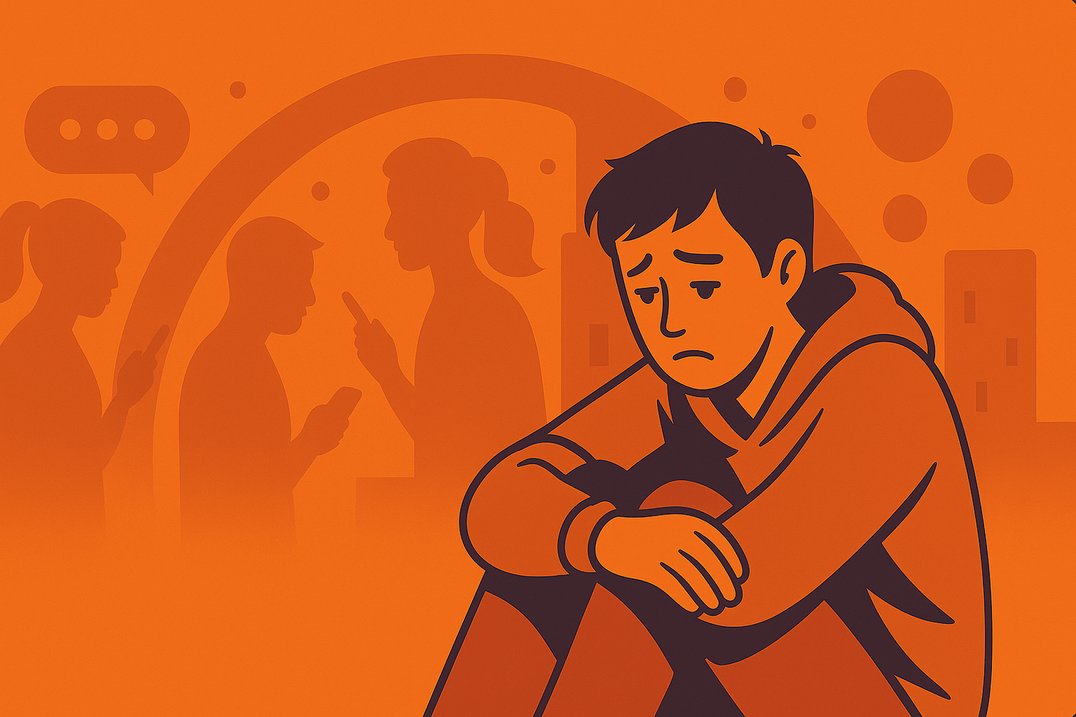
The COVID-19 pandemic changed the way young people connect with others. Even though life looks “normal” again, many teens and young adults are still struggling with a deep sense of loneliness. This unseen emotional impact is called the Silent Disconnect.
What Is the Silent Disconnect
The Silent Disconnect is the hidden emotional pain many young people (ages 13–25) feel after years of isolation, online learning, and reduced social contact. It's not just being alone, it's the feeling of being misunderstood, not belonging, and not knowing how to fit back in, even when they are surrounded by people.
As adults, we returned to a world we already understood. We had our identity, our friendships, and some social stability. But for young people, those were the years they were supposed to discover who they are – who their real friends are, how to communicate, how to feel confident in social spaces. Instead, they were forced to stay home during the most important stage of social growth.
They are still trying to make sense of a world that changed while they were learning how to live in it.
Why the Disconnect Happened
- Weakening of Social Skills - Missing real-life conversations and interactions made it harder for teens to read body language, handle group situations, and form strong friendships. Many now feel awkward or anxious in social settings.
- Digital Overload - Online life became the only option during lockdowns. While it kept people connected, it also created “fake closeness", constant scrolling, comparisons, and shallow communication that left them feeling even more alone.
- Loss of Hope in Society – Many young people no longer feel confident about their future or the world around them. This can lead to negative thinking, low motivation, and withdrawing from others.
- Shame Around Loneliness - They believe they should be happy, social, and busy, so they hide their struggles. This silence makes the loneliness worse.
Loneliness in this age group is not small, it raises risks of worry, sadness, physical health issues, and difficulty building relationships.
How Parents Can Help Their Child Reconnect
Parents are the strongest support system for helping young people rebuild their emotional and social world. Here's what helps:
1. Make Loneliness Okay to Talk About
Normalize the struggle: "It makes sense to feel this way, you missed out on real experiences.” Let them express emotions without jumping in to fix them immediately.
2. Encourage Real-World Interactions
Show them what healthy social life looks like, invite friends, engage in community. Suggest low-pressure meetups: one or two friends, hobbies, sports, volunteering.
3. Balance Screen and Real Life
Create family rules for phone-free time. Discuss how social media isn't real life, what they see is filtered and often fake.
4. Help Them Build Purpose Again
Support activities where they contribute, not just participate, volunteering, group projects, creative clubs. Empower them to take small steps that rebuild confidence.
A New Kind of Connection
The goal is not to go back to how life was before. It is to help young people build Stronger, Healthier ways of belonging.
They learned to be alone during a crisis. Now, with patience, empathy, and presence, let's try to show them how to feel connected again not by pushing but by walking with them.