UX Design: More About Psychology Than Pretty Screens
An Ideal Major For Students Who Keep Asking, Why Is This So Hard to Use?

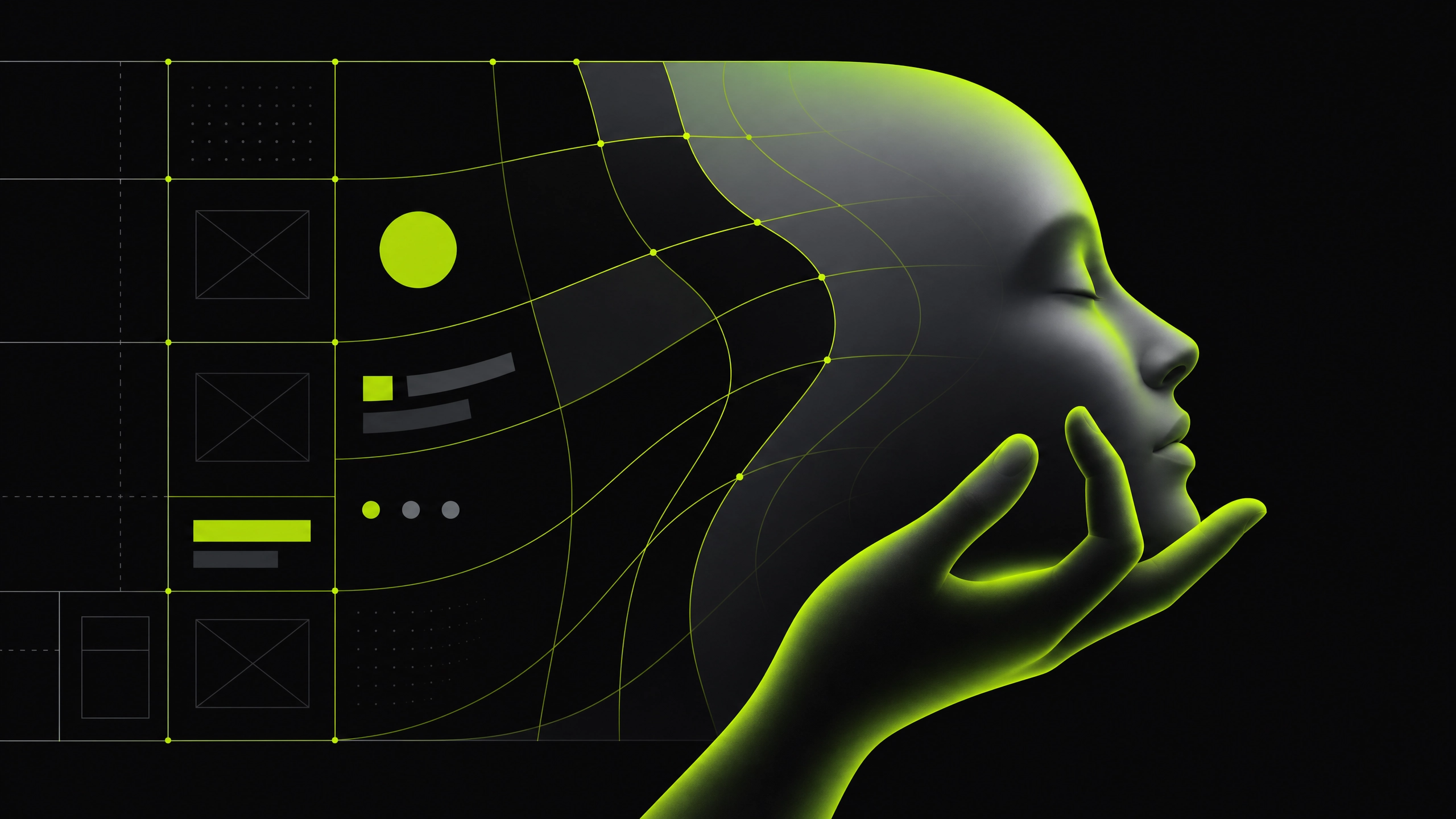
What is this design major?
Think of User Experience (UX) Design as the bridge between technology and human feeling. While many think design is just about "making things pretty," UX focuses on how a person feels when using an app, website, or physical product. It’s about making sure things are intuitive and frustration-free. If you’ve ever used an app that felt "common sense" and smooth, that’s great UX at work. It sits right at the intersection of design, psychology, and tech.
Which are the top colleges offering this major?
In India, the top choices are the National Institute of Design (NID) and IDC at IIT Bombay. Other great options include Srishti Manipal, MIT-ID (Pune), and BITS School of Design.
Abroad, the US has heavyweights like Carnegie Mellon, Stanford, and Georgia Tech. In the UK, the Royal College of Art and UCL are world-class. While Indian schools usually require entrance exams like UCEED or NID DAT, international universities focus heavily on your creative portfolio and your "design thinking" process.
What skills do students develop?
You’ll learn to be part researcher and part architect. The most important skill is empathy: learning to see the world through a user's eyes. You’ll build practical skills like:
- User Research: Interviewing people to find their pain points.
- Wireframing: Drawing blueprints for digital screens.
- Prototyping: Building clickable models to test ideas.
- Critical Thinking: Learning to solve a problem logically rather than just visually.
What academic and technical knowledge does it build?
Academically, you’ll dive into cognitive psychology, understanding how the human brain processes information. You’ll study subjects like ergonomics and "information architecture" (how to organize data so it’s easy to find).
Technically, you’ll master industry tools like Figma, Adobe XD, or Sketch. You don’t need to be a pro coder, but you’ll learn enough about front-end technology to understand what is actually possible to build. It’s a mix of "why people do things" and "how to build for them."
How should a student build their profile and portfolio?
Don't just show finished, polished pictures. Admissions officers want to see your "messy middle." Document your process: show the initial sketches, the mistakes you made, and how you fixed them.
A great project could be as simple as redesigning a confusing microwave interface or fixing a clunky bus schedule. Use case studies to explain why you made certain choices. Show that you are a curious problem-solver, not just an artist.
What career paths and job roles are available?
The most common roles are UX Designer, UI (User Interface) Designer, or Product Designer. However, you could also specialize as a:
- User Researcher: Focusing entirely on data and human behavior.
- Interaction Designer: Focusing on how elements move and respond.
- Information Architect: Organizing complex systems for big companies.
Since every industry from banking to healthcare now needs a digital presence, you can work at tech giants like Google or tiny, high-impact startups.
How do I know if this major is right for me?
Are you the person who gets annoyed by a door that looks like you should pull it, but you actually have to push? That’s a "UX brain." This major is for you if:
- You are naturally curious about people.
- You enjoy solving puzzles.
- You don't mind being wrong and "iterating" (trying again).
- You like the "why" as much as the "how."
- You don’t need to be a master painter, but you do need to be a good listener.
What is the subject combination for these majors?
There isn’t one strict path! Most colleges accept students from Science, Commerce, or Humanities. However, a few subjects give you a great head start:
- Psychology: Helps you understand human behavior.
- Fine Arts/Design: Builds your visual foundation.
- Computer Science: Helps you understand the technical side of the web.
- Math: Great for logical structuring and data.
The goal is to show a well-rounded, curious mind.
Bonus - Fun facts about UX!
- Invisible Design: Great UX is usually invisible. When something works perfectly, you don't even notice the design; you just get your task done.
- Norman Doors: There is a famous term called "Norman Doors" for doors that are designed so poorly you can't tell if you should push or pull.
- Real-world UX: UX isn't just digital.The way a grocery store is laid out to put milk at the back (so you walk past everything else) is a form of experience design!