7 Big Changes I've Noticed About Studying in America Over the Last 12 Months
A First-Hand Look at How American Higher Education Is Evolving Faster Than Ever

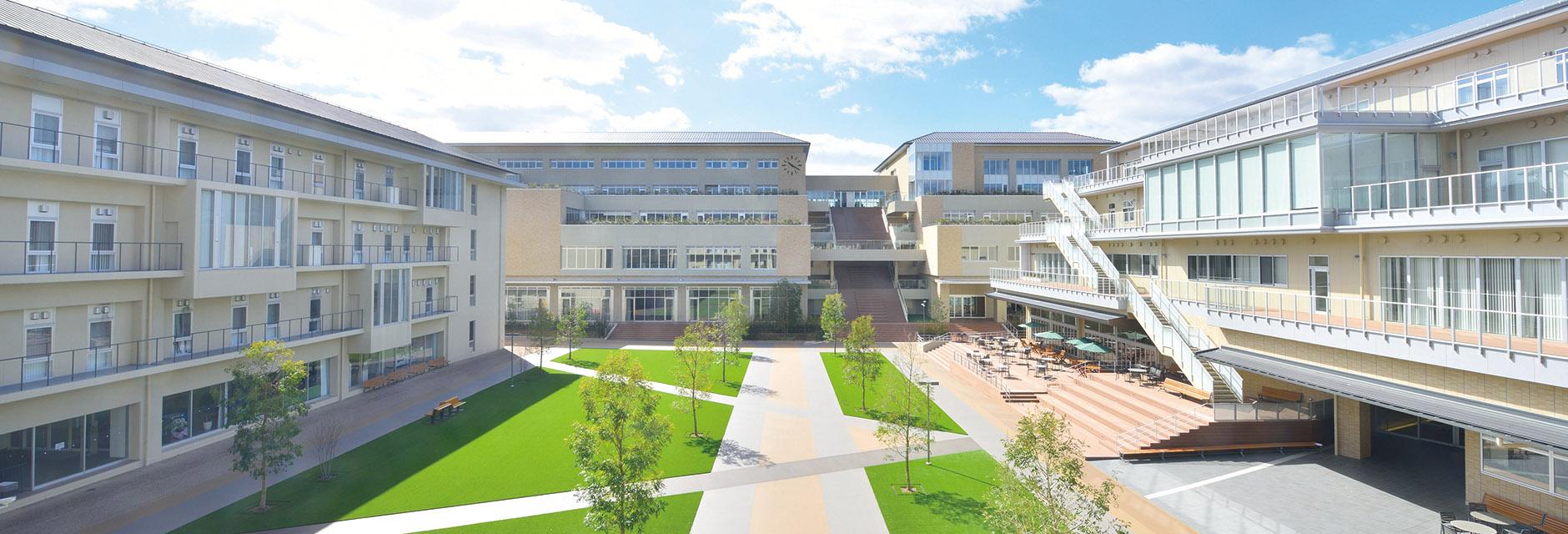
Having just graduated from high school and preparing to begin my studies at Northeastern University in August 2025, I've spent the past year speaking to current students, following campus trends, and trying to understand what student life in America actually looks like today. What surprised me is how much has changed in just 12 months. Some of these changes affect finances, some affect learning, and some affect how students think about university itself. Here are the 7 biggest shifts I've noticed.
1. Everyday Life Has Become More Expensive
The first thing I've noticed is that everything seems to cost more than it did a year ago. Groceries, rent, transportation, restaurant meals, and entertainment have all become noticeably more expensive. Many people point to the uncertainty created by new tariff policies and broader global economic tensions. Whether directly or indirectly, higher import and transportation costs eventually show up in consumer prices. The result is that I would be paying more for Uber rides, flights, food deliveries, and everyday purchases than someone would have just a year ago. Looking at the numbers today, budgeting for life in America feels far more challenging than it did 12 months ago.
2. The Cost of College Keeps Climbing
This one hits particularly close to home. When I first started researching Northeastern a couple of years ago, I had a rough estimate of what four years in America would cost. If I were applying today, that estimate would be noticeably higher. Northeastern's published cost of attendance now approaches USD 90,000 per year when tuition, housing, meals, insurance, and other expenses are included. What surprises me is not just the number itself, but how quickly it has grown. A university that already felt expensive somehow feels even more expensive only a couple of admission cycles later.
3. My Dad Has Started Watching the Dollar More Than Cricket Scores
Of all the changes, this is probably the one my family talks about the most. When we first started discussing American universities, the exchange rate was something we checked occasionally. Today, it feels like my dad follows the Dollar every day. When I was initially planning for university, the calculation looked one way. Now, with the Dollar hovering around ₹95 against the Rupee, the same education suddenly looks significantly more expensive. For a family paying USD 80,000 to 90,000 annually, even a small currency movement can add several lakhs to the final bill. The university hasn't changed, but the cost certainly has.
4. More People Are Questioning Whether College Is Worth It
One of the most surprising changes I've noticed is a growing debate around the value of higher education itself. A 2024 Gallup survey found that only 36% of Americans have a "great deal" or "quite a lot" of confidence in higher education. Conversations increasingly focus on employability, internships, practical skills, and return on investment. What I hear less often is blind admiration for university names. Instead, people seem to be asking a different question: what opportunities, experiences, and outcomes will actually come from the degree?
5. AI Has Become Part of Everyday Life
A year ago, most conversations about AI started and ended with ChatGPT. Today, AI seems to be everywhere. I see people using ChatGPT, Claude, Gemini, Perplexity, and Microsoft Copilot for research, coding, note-taking, interview preparation, writing support, and productivity. What fascinates me most is that many now begin information searches directly on AI platforms instead of opening Google first. In just one year, AI has moved from being a novelty to becoming a normal part of daily academic and professional life.
6. More Learning Is Happening Outside the Classroom
Another change I've noticed is the rise of asynchronous learning. More courses now include recorded lectures, online discussions, digital assignments, and self-paced learning modules. Instead of being expected to sit in a classroom for every lecture, people are increasingly being given flexibility over when and how they engage with material. While that flexibility sounds appealing to me, it also seems to demand far greater self-discipline. Nobody is constantly checking whether you're keeping up.
7. Universities Are No Longer Fighting AI, They Are Funding It
Perhaps the biggest surprise of all is how quickly universities have embraced AI. Just a year ago, many institutions were focused on preventing the use of these tools. Today, they are actively providing access to them. Duke University announced institution-wide access to ChatGPT, while Northeastern has expanded enterprise AI tools across its community. Instead of asking whether AI should be used, universities are increasingly teaching how to use it responsibly and effectively. Looking ahead, I suspect AI literacy will become as important as digital literacy was a decade ago.
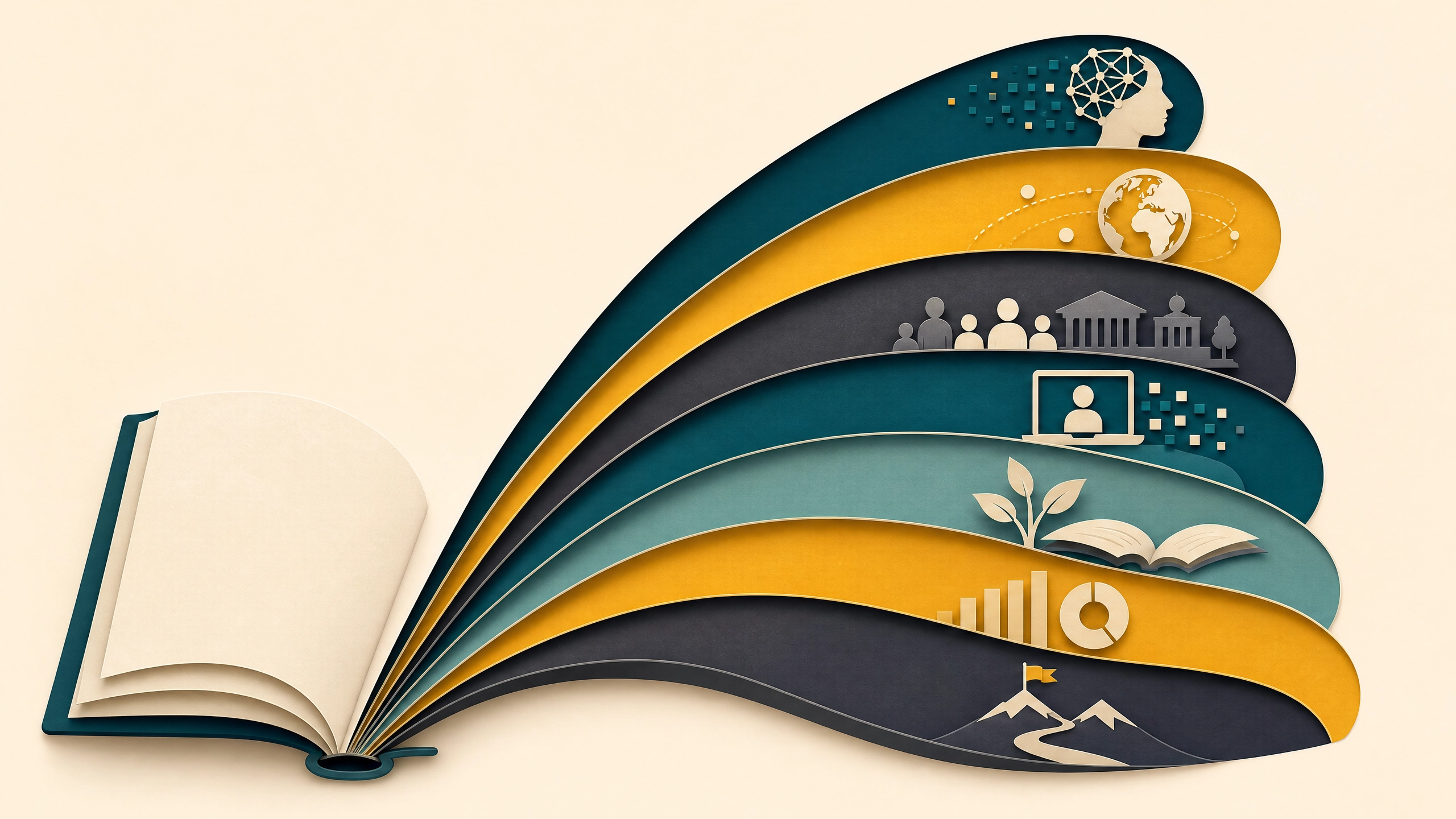
Looking at these seven changes together, what strikes me most is the speed at which higher education is evolving. America remains an extraordinary place to study, but it is becoming more expensive, more technology-driven, and more focused on practical outcomes. As I prepare to begin this journey myself, understanding these changes feels just as important as choosing the university in the first place.