The 7 Step Pre-College Safety Checklist Every Parent Needs
The Conversations Every Family Should Have Before Their Child Boards the Flight

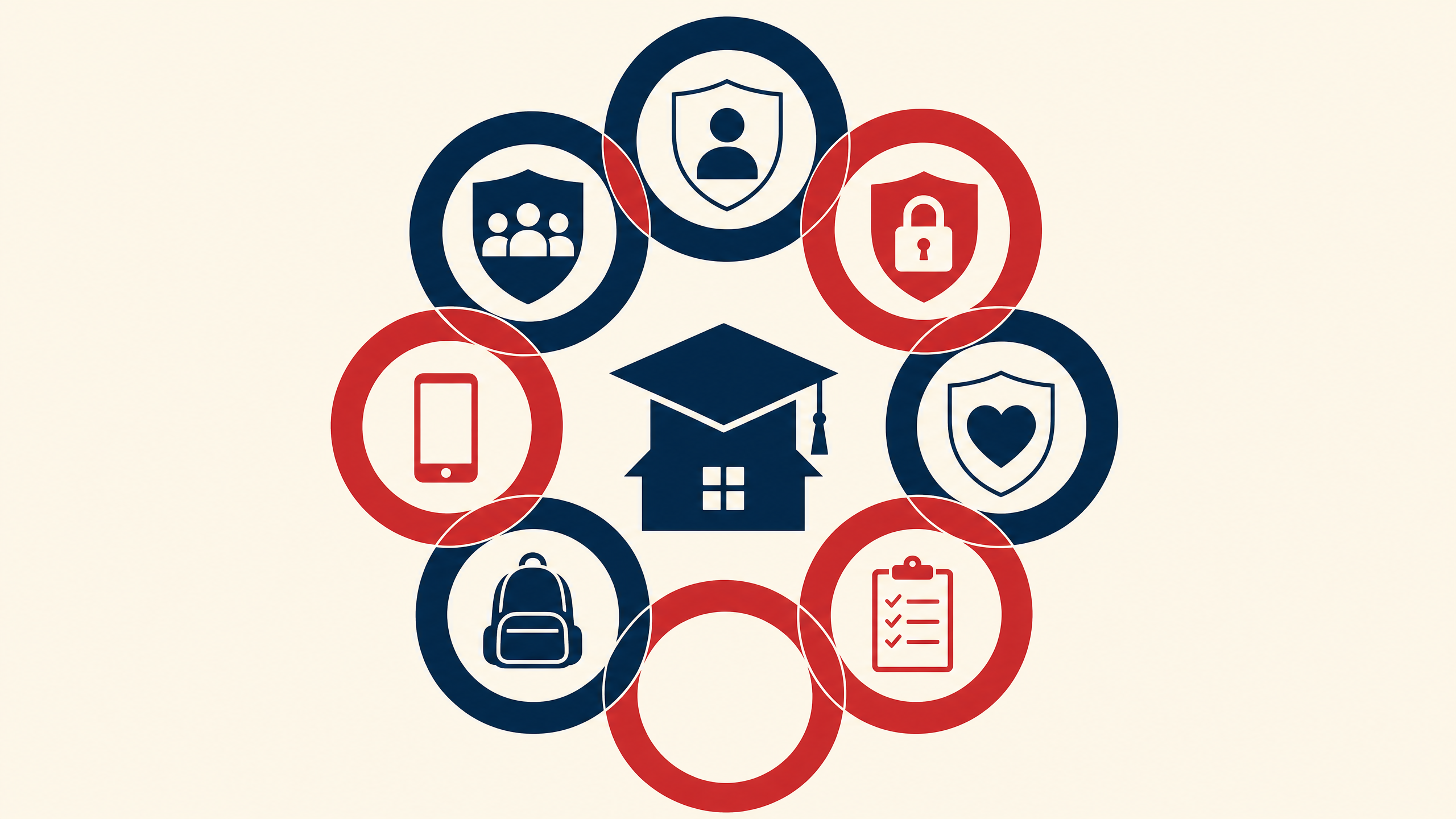
As international students, for the first time in their lives, many students will be making decisions without immediate parental guidance. They will be navigating unfamiliar cities, managing emergencies independently, handling social situations, and living among people from different cultures and backgrounds. While universities provide support systems, the reality is that a student's personal safety often depends on the habits and awareness they develop before leaving home. The good news is that safety is a skill. Like budgeting, cooking, or managing coursework, it can be taught and practiced.
Parents cannot eliminate every risk their child will encounter abroad. What they can do is help their child develop judgment. Students who know how to assess situations, ask for help, trust their instincts, manage emergencies, and make responsible decisions are far more likely to remain safe than students who simply memorize a list of rules. The ultimate goal of studying abroad is not only academic growth. It is learning how to navigate the world independently. Preparing a child for safety is, in many ways, preparing them for adulthood itself. Here are the 7 steps to discuss pre-departure.
1. Teach Situational Awareness
The goal is not to make students paranoid. The goal is to make them observant. Students should learn to pay attention to their surroundings, especially when walking alone, using public transportation, attending social events, or exploring new neighborhoods. Many incidents occur not because students make reckless decisions but because they become distracted by phones, headphones, fatigue, or unfamiliarity with their environment. A simple habit of knowing where they are, who is around them, and how they would get help can dramatically improve personal safety.
2. Discuss Alcohol, Parties, and Peer Pressure Honestly
Parents often avoid these conversations because they are uncomfortable. Unfortunately, many of the most serious incidents affecting university students involve alcohol, drugs, or impaired judgment. Students should understand: never leave drinks unattended, never accept open drinks from strangers, stay with trusted friends when attending parties, have a plan for getting home before going out, and leave any situation that feels unsafe, regardless of social pressure. The objective is not to demand perfect behavior. The objective is to help students recognize risk before it escalates.
3. Make Emergency Planning a Family Routine
Before departure, every student should know: emergency phone numbers in their destination country, the location of the nearest hospital, how to contact campus security, how to access mental health support services, and how to reach family members quickly during an emergency. Parents should also maintain copies of passports, visas, insurance information, and emergency contacts. A student who knows what to do during a crisis is far more likely to respond effectively than one trying to figure everything out under stress.
4. Build Digital Safety Habits
Every year, thousands of international students lose money to fraudulent calls, fake immigration threats, and housing scams. Modern student safety extends far beyond physical security. Students should: use strong passwords and two-factor authentication, avoid sharing real-time locations publicly, be cautious when meeting people from dating apps or social media, protect banking and financial information, and recognize common scams targeting international students.
5. Encourage Independence Before Departure
Students who have never managed daily responsibilities at home often struggle more when they move abroad. Before leaving, encourage your child to: manage their own appointments, handle banking transactions, use public transportation independently, solve routine problems without parental intervention, and make decisions and accept responsibility for outcomes.
6. Talk About Mental Health Before There Is a Problem
Homesickness, loneliness, culture shock, academic pressure, and social isolation affect many international students. Parents should normalize conversations about mental health before departure. Students need to understand that seeking counselling or support is not a sign of weakness. It is a sign of maturity. One of the most important questions a parent can ask is not, "How are your grades?" but, "How are you coping?"
7. Establish Communication Expectations
Many parents attempt to stay connected through constant messaging and frequent check-ins. While communication is important, excessive monitoring can prevent students from developing independence. Instead, establish a predictable routine: weekly video calls, regular updates after major travel, immediate contact during emergencies, and shared emergency contacts and backup communication methods. Creates reassurance without creating dependence.