Getting Hands-On Experience in Medicine
7 Ways to Prepare for a Future in Healthcare
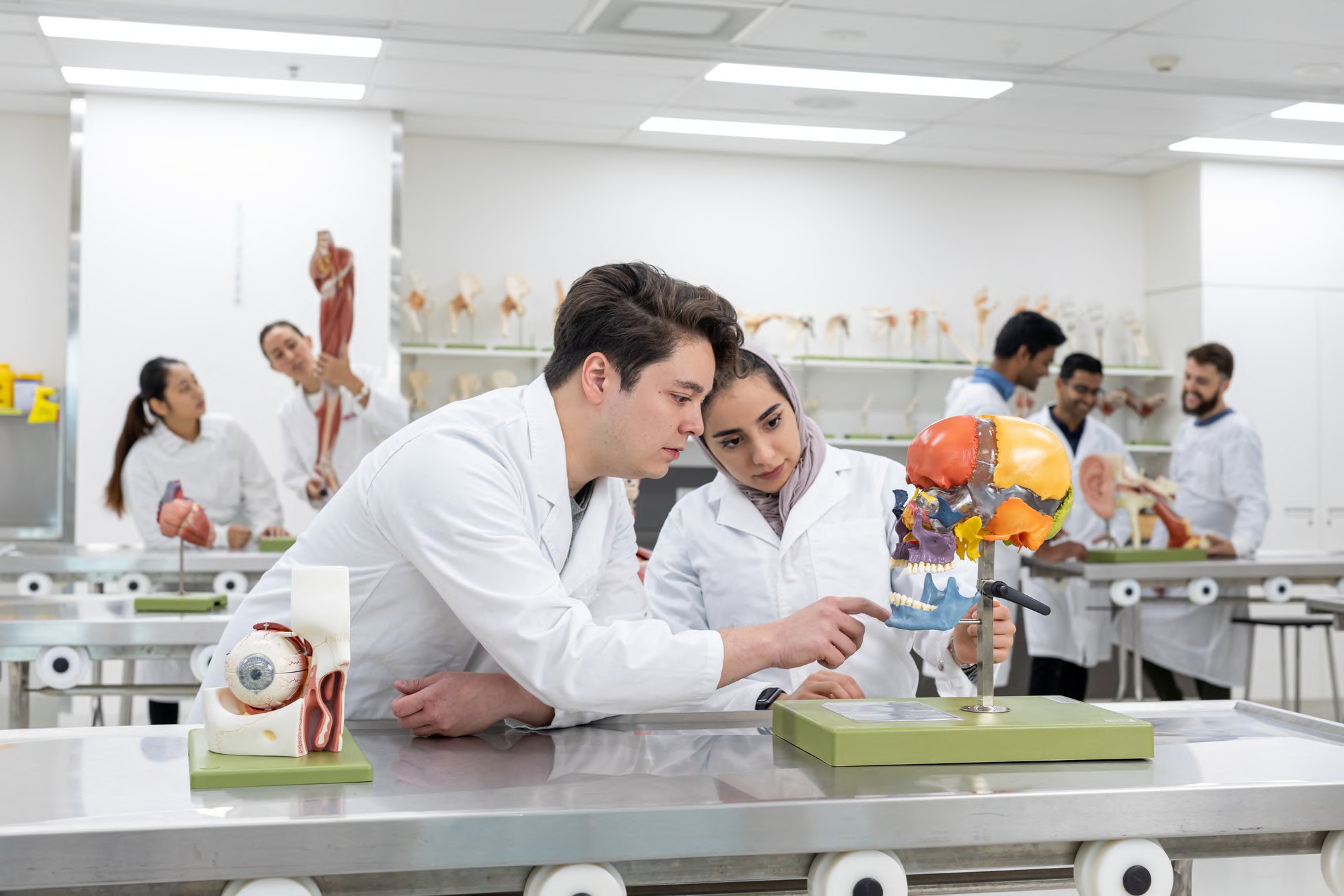
For students considering a career in medicine, the journey begins long before medical school. Unlike many other fields, medicine requires a deep commitment and a clear understanding of what the profession requires. However, high school students rarely get direct exposure to clinical environments, patient care, or medical research, making it difficult to determine if this path is truly right for them. To bridge this gap, students can engage with the field in multiple ways.
1. Deepen Academic Knowledge Through Online Courses
One of the best ways for students to get an early start in understanding human physiology and related medical concepts is by enrolling in online courses on Human Physiology through platforms like edX, Coursera, or MIT OpenCourseWare. These courses go beyond the school curriculum, introducing students to advanced biological systems, drug chemistry, and organ function—subjects they will encounter in medical school. Exploring topics such as the nervous system, cardiovascular system, and biochemical processes provides a strong academic foundation and familiarizes students with the language of medicine.
2. Participate in Medical Volunteering Programs
Volunteering at medical camps is an excellent way to gain firsthand experience in patient care and community health. Students can assist at blood donation drives, eye testing camps, diabetes check-up centers, or medical aid stations at marathons and public events. These experiences allow them to interact with patients, observe basic medical procedures, and understand how healthcare professionals work under different conditions. Additionally, during major festivals or public events, students can be part of medical response teams, offering immediate assistance in case of emergencies. This exposure enhances empathy, communication skills, and adaptability.
3. Gain Industry Exposure Through Medical Internships
Medicine is more than just practicing as a doctor; it involves pharmaceutical research, biotechnology, and hospital management. Engaging in an internship in Biotech, Pharma, or Biomedical Device companies helps students explore how medicine intersects with technology and business. Whether working at a diagnostics lab, pharmaceutical firm, or biomedical startup, students learn about drug development, medical innovation, and healthcare management. Additionally, internships in hospital administration or clinical research provide a behind-the-scenes look at how hospitals operate and how patient care is managed. This experience broadens their perspective, showing them the various career paths within the medical industry.
4. Shadow Healthcare Professionals in Clinical Settings
Observing medical professionals in action offers an authentic glimpse into the daily life of a healthcare provider. Through an internship with a doctor, vet, dentist, physiotherapist, or diagnostic specialist, students can witness patient consultations, medical procedures, and hospital workflows. This allows them to see the challenges and rewards of medical practice, helping them assess whether they are truly suited for this career. Shadowing different specialists also helps students explore alternative medical careers beyond traditional human medicine, such as veterinary science, physiotherapy, and dental medicine.
5. Conduct Scientific Research in Biology and Medicine
Engaging in a Biology Research Program under the mentorship of a PhD student or professor allows students to dive deep into medical research. Programs like Docent Research, Polygence, or Lumiere guide students through structured projects in biochemistry, molecular biology, genetics, and pharmacology. Research experience not only enhances scientific thinking but also strengthens a student's college application, demonstrating their ability to analyze complex topics, conduct experiments, and contribute to medical knowledge.
6. Get Certified in First Aid and Emergency Response
Obtaining a Certificate in First Aid is an essential step for any student considering a medical career. First aid and CPR training teach students how to handle medical emergencies, administer life-saving procedures, and respond to critical situations. Courses like Wilderness First Responder or Basic Life Support (BLS) certification provide practical skills that are applicable in emergency medicine, trauma care, and outdoor rescue situations. Learning how to stop bleeding, perform CPR, and assist injured individuals equips students with confidence and preparedness, skills they will use throughout their medical careers.
7. Experience Medical School Firsthand at a Summer Program
Attending a Medical Summer School in Europe, the UK, or the Caribbean allows students to immerse themselves in a medical training environment. These programs place students inside hospitals and clinics, where they work alongside doctors and nurses, participate in patient rounds, and practice basic medical techniques. Through hands-on learning, students gain a realistic preview of medical school coursework, clinical training, and hospital life. This exposure solidifies their interest in medicine while helping them build a stronger application profile for future medical programs.
Conclusion
Through hands-on internships, research opportunities, and medical training, aspiring doctors can explore the realities of the field, from scientific research to patient interactions. They not only strengthen college applications but also help students develop the skills, knowledge, and confidence needed to thrive in the medical profession. By immersing themselves in such medical experiences, students enter university with a stronger sense of purpose, direction, and preparedness for the rigor ahead.