Working with "That" Medical Kid
The 5 Types of Students Who Dream of Becoming Doctors

Introduction
Choosing to pursue medicine is a significant decision, often shaped by personal interests, family influences, and external inspirations. Many students declare their ambition to become doctors, but their motivations vary widely. While some are driven by intellectual curiosity, others are influenced by family expectations, personal experiences, financial aspirations, or media portrayals. Understanding these different motivations can help educators, mentors, and counselors guide students toward making informed and well-considered career choices.
1. The Intellectual Student
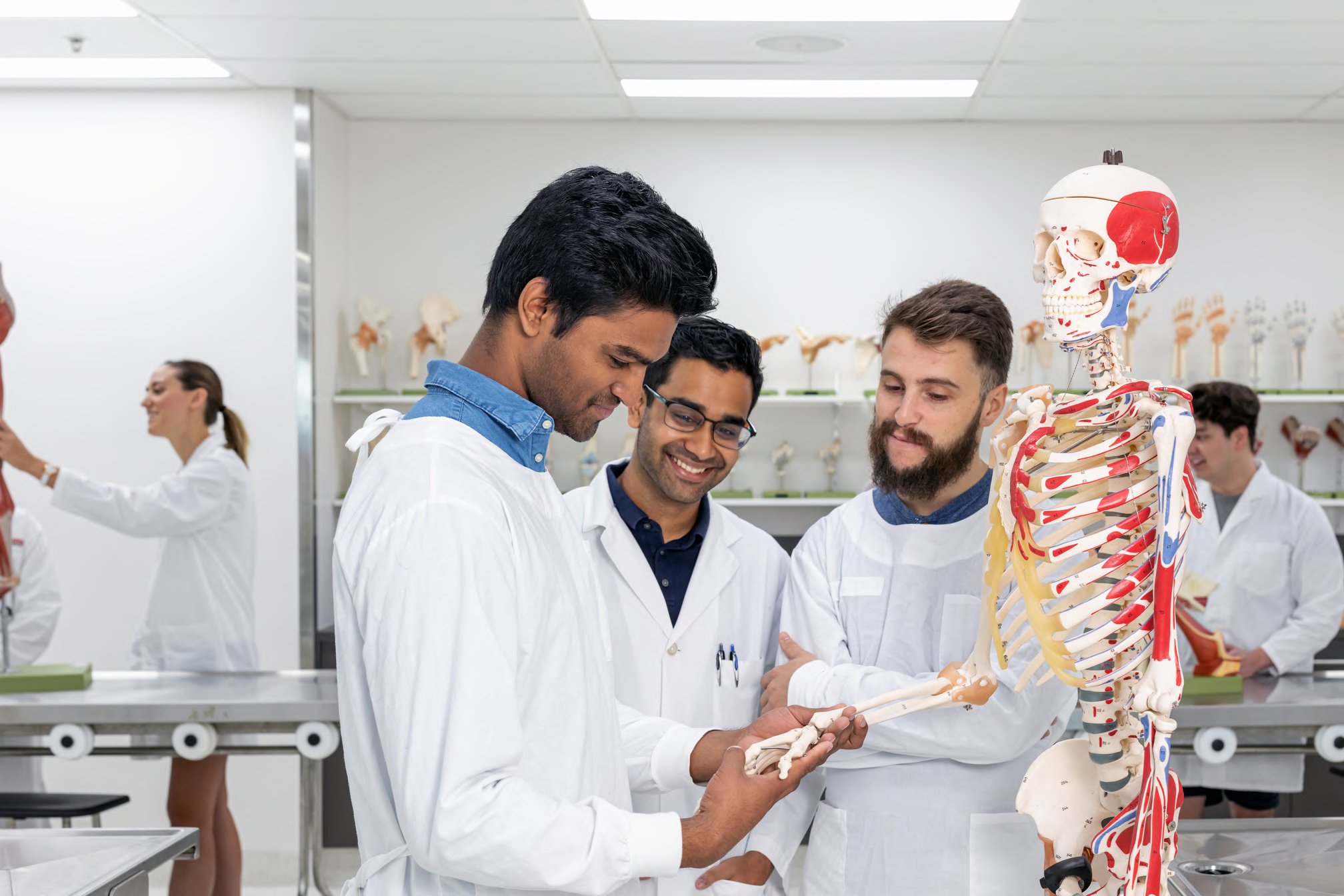
This student is deeply fascinated by biology, biochemistry, and the human body. Their love for science and nature goes beyond the classroom, and they actively explore topics through research, books, and documentaries. With a strong memory and analytical mindset, they thrive in academic discussions and enjoy pushing the boundaries of their understanding. They see medicine as an extension of their passion for the sciences and are well-prepared for its rigorous demands. These students often seek out extra coursework, participate in science fairs, and take on internships in research labs, solidifying their desire to enter the medical field.
2. The Family Legacy Student
For some students, becoming a doctor is not a choice but an expectation. Born into families where one or both parents are doctors, they grow up surrounded by medical discussions, hospital visits, and clinical cases. From a young age, they have absorbed medical knowledge, knowing common illnesses, medications, and procedures. For these students, medicine feels like an inevitable path rather than an active decision. While their exposure gives them an advantage, it is essential for them to truly assess their own passion for the field. Without genuine interest, the pressures of medical school and the profession may feel overwhelming.
3. The Idealist Student
Some students are drawn to medicine after witnessing the impact of a skilled doctor firsthand. Whether through a family member's illness, an accident, or a long-term medical battle, they have personally experienced the power of healthcare. To them, doctors are life-changers, even miracle workers. This deep admiration fuels their dream to help others and make a difference. Their emotional connection to medicine makes them empathetic and compassionate, qualities that are essential for patient care. However, they must also be prepared for the realities of the profession, including long hours, emotional resilience, and the scientific nature of medical practice.
4. The Financially Driven Student
Medicine is often seen as a prestigious and financially rewarding career, and some students are primarily drawn to it for job security and high earning potential. They believe that becoming a doctor guarantees wealth, pointing to affluent doctors in their neighborhoods as examples. They are willing to invest years of study because they see medicine as an evergreen, recession-proof career. While financial stability is a legitimate consideration, these students must understand that medicine is demanding, competitive, and requires genuine commitment. A career built solely on monetary aspirations may lead to dissatisfaction, as the medical profession is as much about service as it is about financial gain.
5. The TV Show Enthusiast
In the age of entertainment and media, many students develop career aspirations based on their favorite TV shows. From Doogie Howser, M.D. to Grey's Anatomy, medical dramas often present a glamorous, action-packed version of life as a doctor. These students idolize fictional doctors and envision their future as equally thrilling. However, they may have little knowledge of the realities—long study hours, intense workloads, and the emotional weight of the profession. For them, exploring real-world experiences such as hospital volunteering or shadowing physicians can provide a more accurate picture of what it means to be a doctor.
Conclusion
Beyond the prestige and stability, medicine requires lifelong learning, resilience, and a strong dedication to patient care. Those who enter the field must be prepared for intense academic rigor and emotionally demanding situations. Before committing, students should explore internships, hospital volunteering, and mentorship opportunities to gain first-hand exposure. This ensures that their decision is informed, realistic, and rooted in genuine passion rather than external pressures or misconceptions. Ultimately, success in medicine comes from a deep-seated drive to learn, heal, and contribute meaningfully to society, qualities that go beyond any single motivation.